Soil Organic Carbon
+18–22% SOC
Water Efficiency
+90% Improved
Microbial Biomass
+25–40% Increase
Strategies for Soil Health Improvement
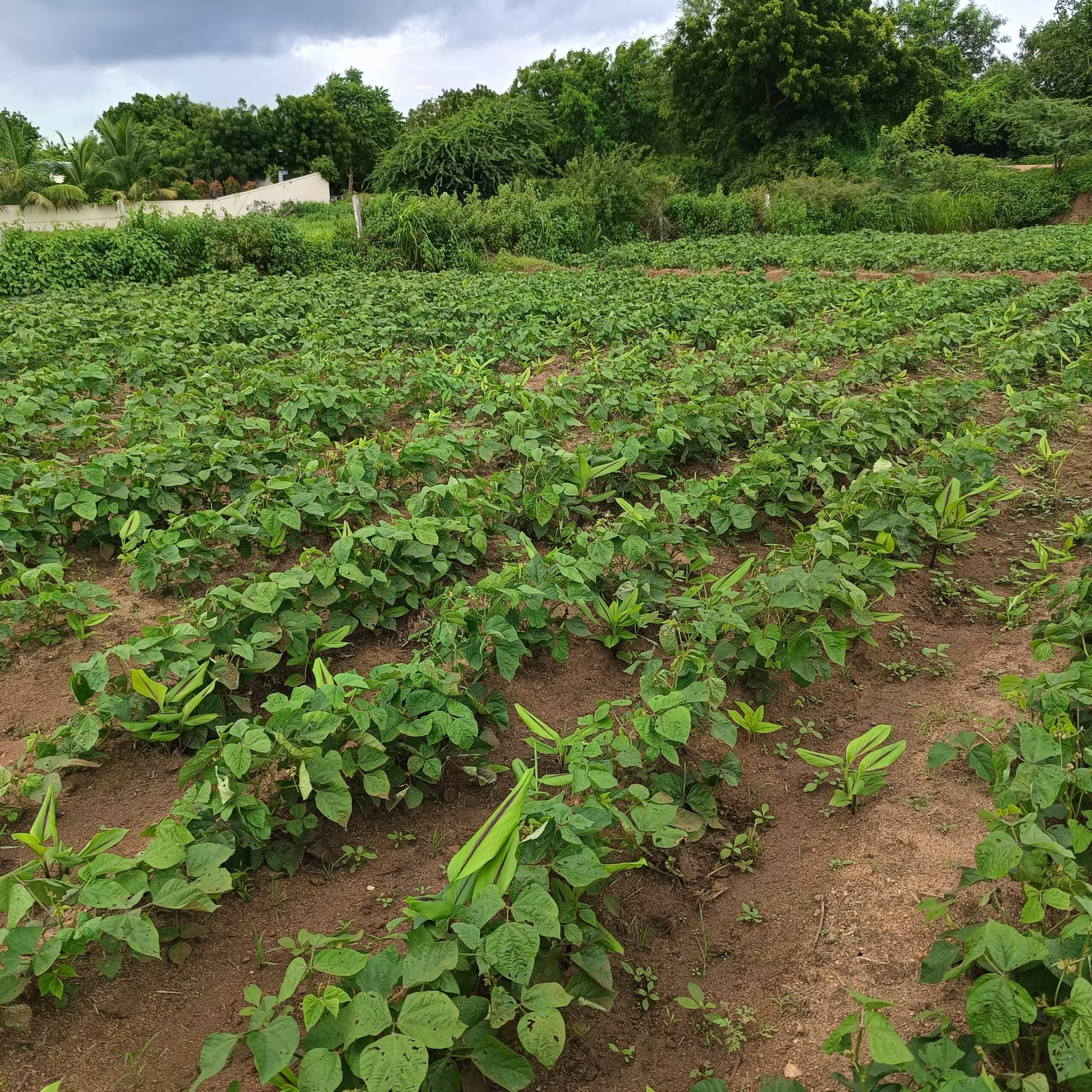
RegenCrops implemented a multi-layered regenerative protocol across turmeric pilot farms, addressing soil fertility, biology, and water management simultaneously:
- Incorporated high-carbon organic amendments to rebuild soil organic matter and long-term fertility
- Integrated intercrop cycles between turmeric plantings — leguminous species support biological nitrogen fixation, suppress weeds, and increase microbial activity
- Adopted biofertilizer-based nutrient programmes replacing synthetic fertilisers entirely
- Implemented structured irrigation scheduling using soil moisture conservation and strategic timing
- Used biological control agents and botanical extracts to reduce soil-borne pests and diseases without synthetic chemicals
- Integrated carbon-storing practices to stabilise and grow soil organic carbon levels season over season
Increased Soil Organic Carbon & Fertility
Soil organic carbon (SOC) levels increased by 18–22% across monitored plots. Higher SOC directly improves soil water-holding capacity, cation exchange capacity, and the stable nutrient supply that turmeric rhizomes depend on for uniform development.
Dependence on synthetic fertilisers fell by 30% — reducing input costs while maintaining yield. As SOC continues to build over successive seasons, the fertility dividend compounds.
Enhanced Microbial Diversity & Soil Life
Microbial biomass carbon increased by 25–40% compared to baseline. Higher enzyme activity — phosphatases, dehydrogenases — accelerates organic matter decomposition and nutrient release in forms directly available to turmeric roots.
Greater microbial diversity also underpins natural disease suppression. Soils rich in beneficial organisms crowd out pathogens, reducing the incidence of Pythium and bacterial wilt — two of turmeric's most destructive soil-borne diseases.
Better Soil Moisture Retention & Pest Resilience
Water-use efficiency improved by 90% relative to baseline plots, driven by higher infiltration rates and greater aggregate stability in the topsoil. Turmeric's deep rhizome system benefits enormously from consistent subsurface moisture — irregular drying is a primary cause of split and undersized rhizomes.
Soil-borne disease incidence fell by 50–60% and natural nematode suppression improved significantly — a direct consequence of restoring soil biodiversity and organic matter levels.
Carbon Sequestration & Long-Term Viability
Soil carbon sequestration increased by 20% across trial plots, with measurable reductions in topsoil erosion. These outcomes position participating farmers for carbon credit programmes — an emerging income stream that rewards the environmental services good farming creates.
Regenerative soil management in turmeric cultivation has proven to be both scientifically effective and economically viable — improving yields, cutting input costs, and unlocking new revenue channels simultaneously.
Key Takeaways
- Long-term fertility improvements through organic carbon enrichment — 18–22% SOC increase
- Reduced over-irrigation risks via 90% enhanced water efficiency
- Expanded microbial biodiversity creating healthier, disease-resistant soil ecosystems
- Improved carbon sequestration supporting both sustainability and carbon credit eligibility